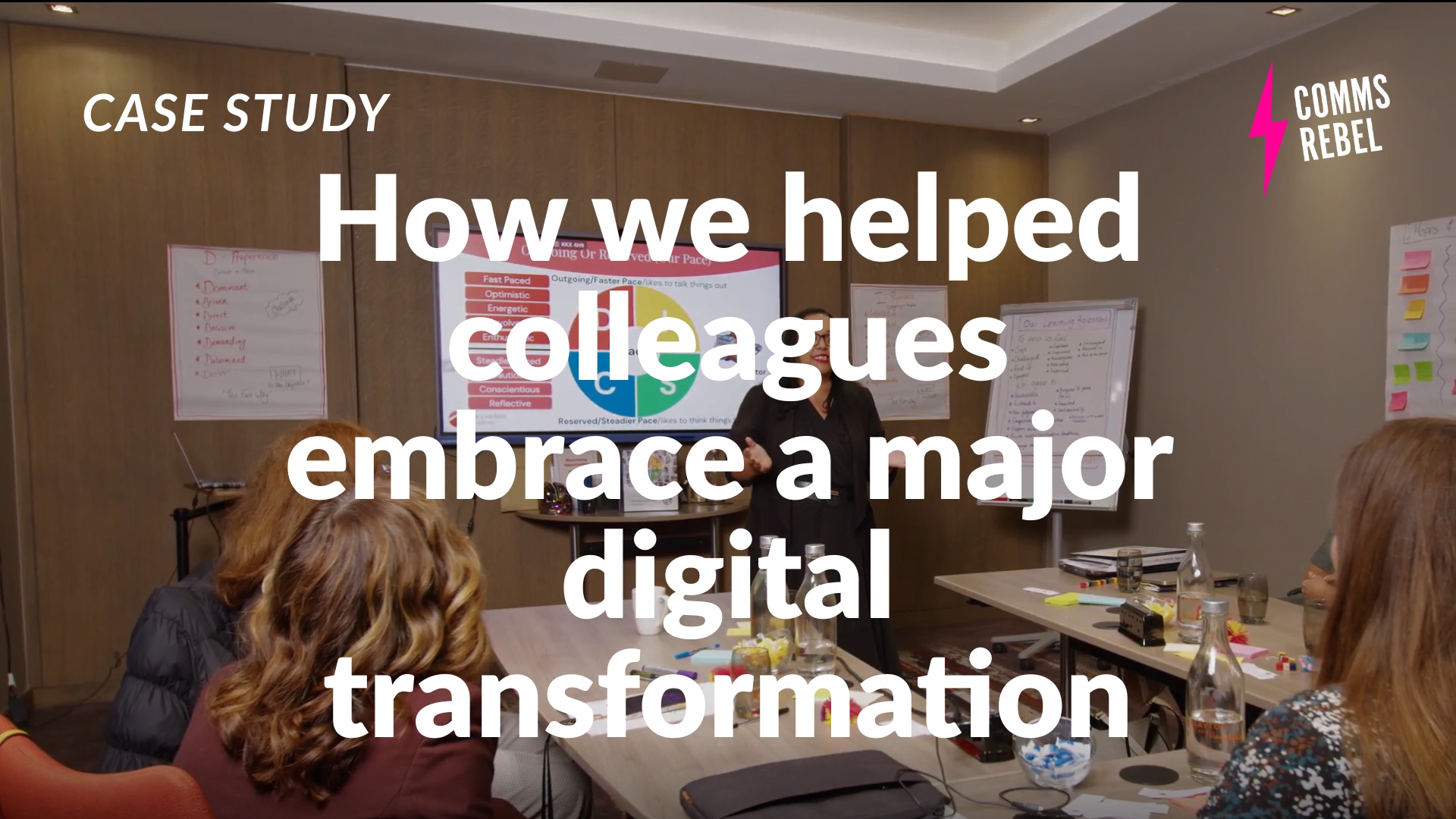
With International Women’s Day taking place on 8 March 2024, CommsRebel associate, Rupa Bharadva has written a blog based on advice Advita has shared over the past few months about the topic as promoting equity shouldn’t stop at one day but continue all year round.
Empowering women in the workplace through internal communications
Many organisations face challenges as they strive to promote a culture of equity and internal communications may hold the key to unlocking success and driving positive change.
An equitable workplace ensures that every colleague has fair access to resources, opportunities and benefits, regardless of their background, identity, or status. It’s not about treating everyone in exactly the same way. Rather, it’s about recognising and addressing the unique challenges and barriers that different colleagues may face.
Why equity?
Research has shown that promoting equity in the workplace has many benefits, including improved employee satisfaction and morale. When employees feel that their contributions are valued and have equitable access to opportunities, they are more likely to feel engaged and motivated. Additionally, promoting equity can increase productivity and reduce turnover by ensuring all employees are given the tools and resources needed to succeed.
In Advita and Priya’s book Building a Culture of Inclusivity, they write about how many companies struggle with implementing equitable initiatives. There is a view that companies must treat everyone the same and that giving additional support and resources to people from marginalised and underrepresented groups is unfair to others. This is why it’s essential to understand that equality is about equal treatment, while equity is about equal outcomes.
So, how can internal communications professionals help promote a more equitable and inclusive workplace, especially for women?
Diversity, equity and inclusion (DEI) discussions can be challenging as they are deeply personal. Employees may question how their organisation’s or leader’s actions, or lack thereof, affect them. Those who feel included are more likely to embrace change, while those who feel excluded may resist or ignore it.
Internal communication helps create connection, community and culture within an organisation. That’s why IC professionals can play a critical role in promoting equity by ensuring all employees feel heard, valued and supported.
How internal communications can support women in the workplace
Avoid performative action
It can be easy to take symbolic action, especially on awareness days but this can cause more harm than good, especially to marginalised groups. Understand exactly why your organisation is marking a particular awareness day. Ask curious questions of leadership – what meaningful action are you planning to take or have taken to help change inequities or unfairness in the workplace?
Research widely
Check out official resources that offer clear actions for change. This year’s theme for International Women’s Day, set by the United Nations, is #InvestInWomen. However, the International Women’s Day website, owned by a marketing agency, says the theme is #InspireInclusion, and encourages people to make a love heart symbol gestured with hands, which can cause confusion.
Check language and diverse voices
Comms professionals craft messages that employees receive from leaders. They have the power to promote voices from diverse backgrounds to ensure their stories are amplified, and they can ensure messaging is inclusive from the language to the channels and how the information is shared.
Representative events
If you are hosting an event, think about a diverse selection of speakers that are representative. Having speakers of diverse protective characteristics, roles, seniority levels, intersectionality and working styles will promote inclusivity at your event. Aim to educate and increase awareness of your audience by sharing stories they might not normally have access to.
Share progress
How will you keep track of the progress, and what accountability are you expecting people and the organisation to take to ensure it’s not a tokenistic gesture? Provide regular updates to employees so they’re aware of progress towards commitments.
Ahead of International Women’s Day, Advita’s advice is simple. “One plea from me, please don’t ask your colleagues to do the symbolic love heart gesture. It’s demeaning and completely unnecessary. Instead, share stories, talk about the work you’re doing, demonstrate how you invest in women or inspire inclusion every day – not one day out of an entire year!” she says.
“Ensure you discuss progress and your changes to help women thrive in your organisation. If nothing has shifted and there’s no intention to make changes, then I’d consider carefully whether this is something you should be involved in.”
CommsRebel is proud to be a female-founded agency and the majority of our associates are women as well. Our mission is to help our clients cultivate thriving inclusive cultures where everyone can unleash their full potential. If you need any comms support with inclusive cultures, get in touch.